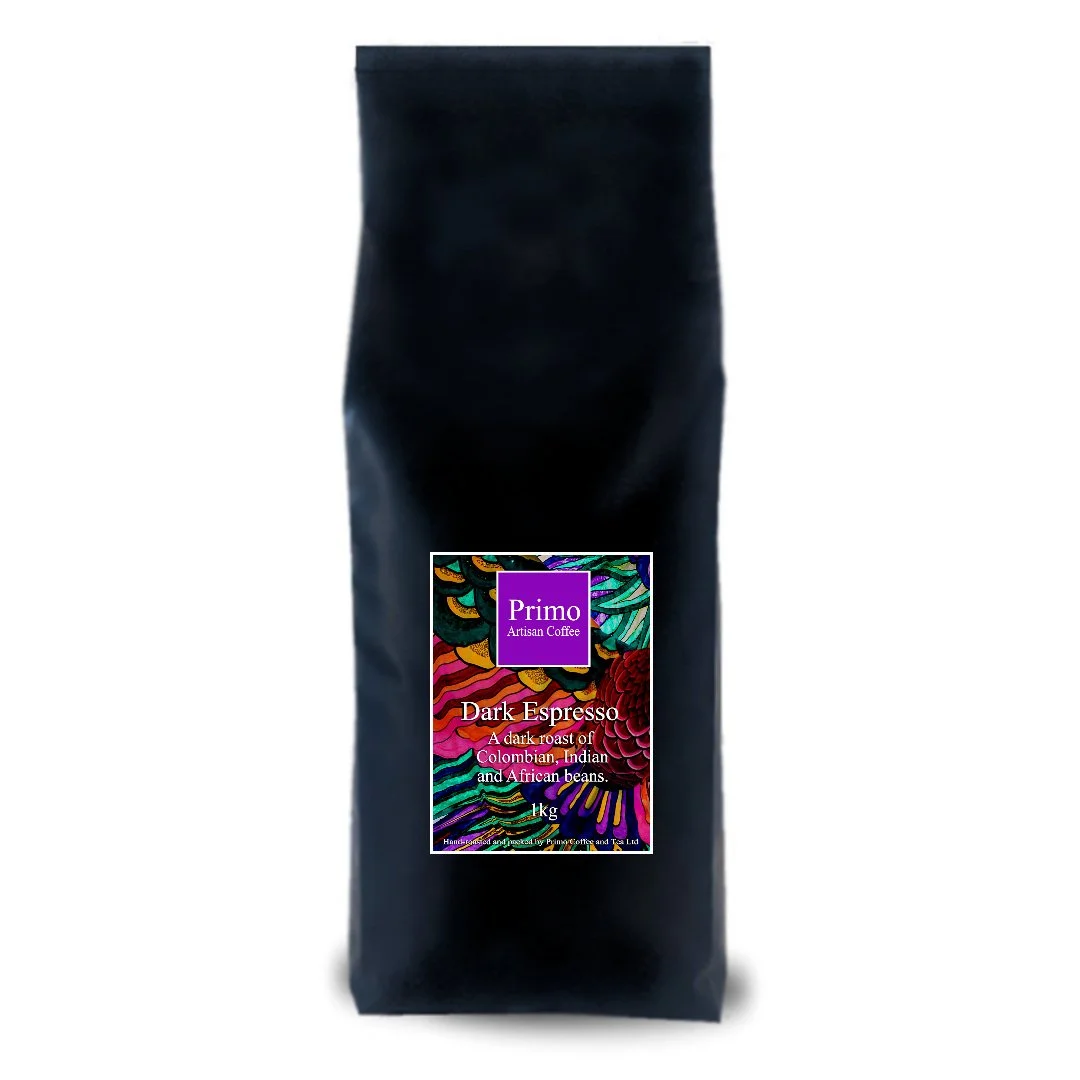
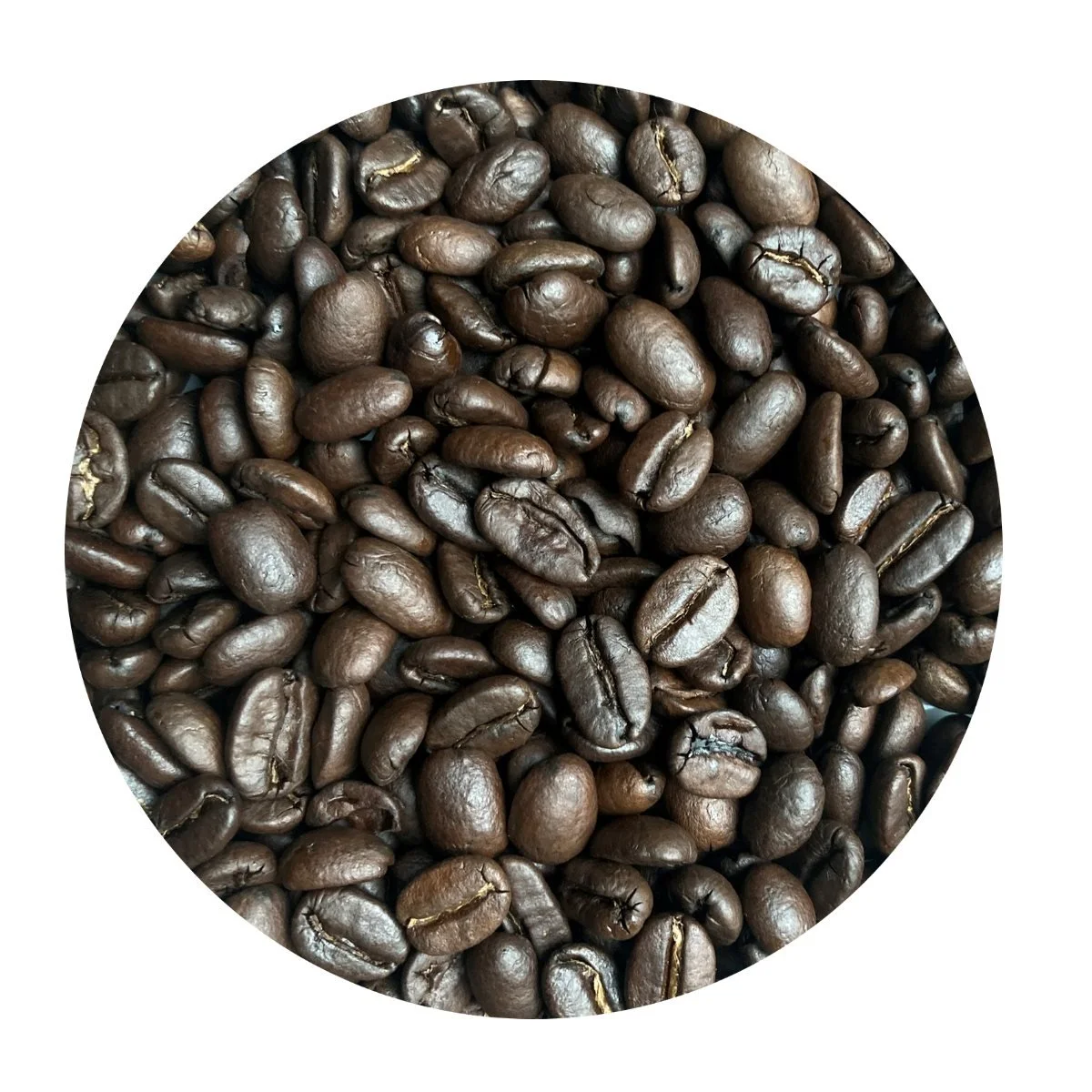
 Image 1 of 4
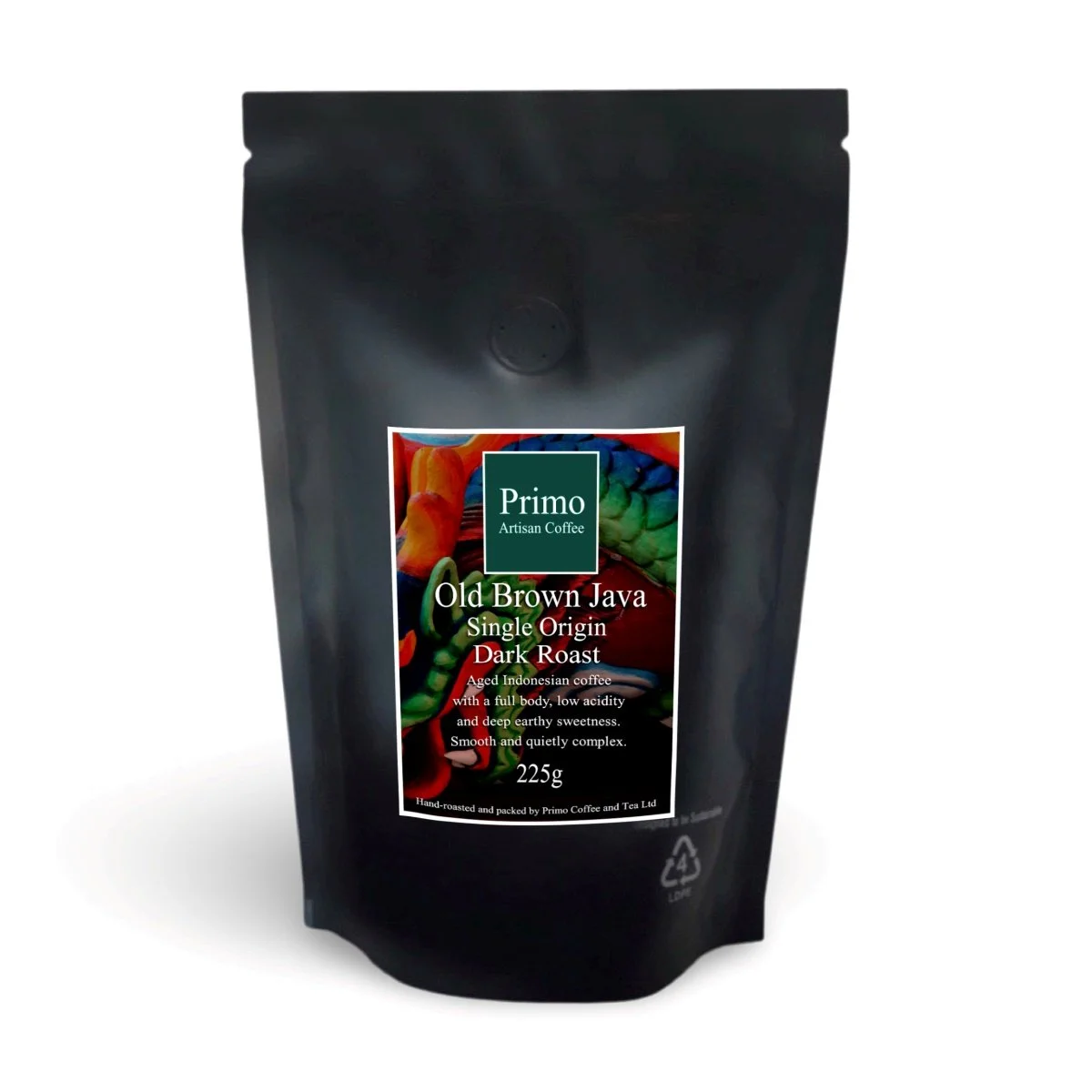
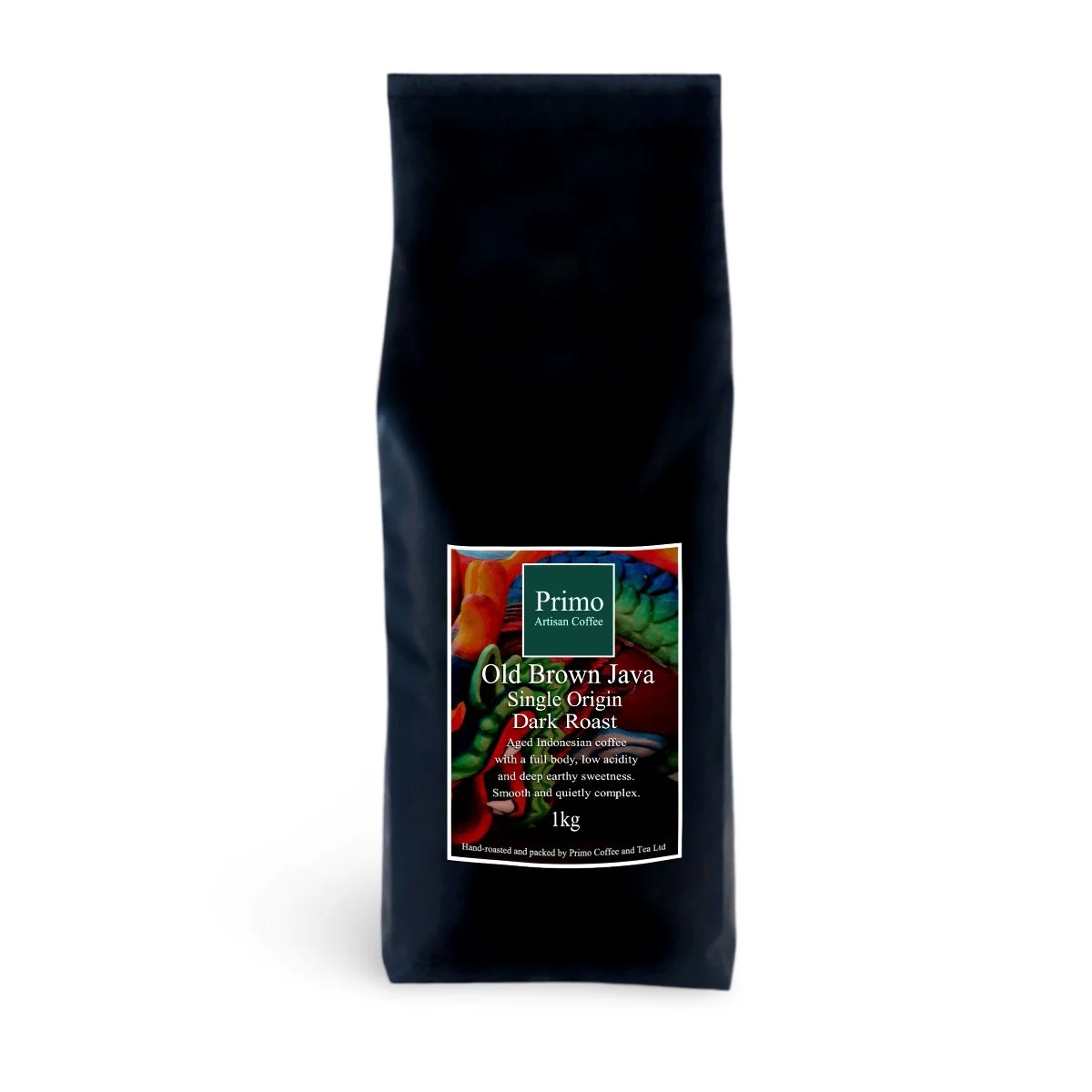 Image 2 of 4
 Image 3 of 4
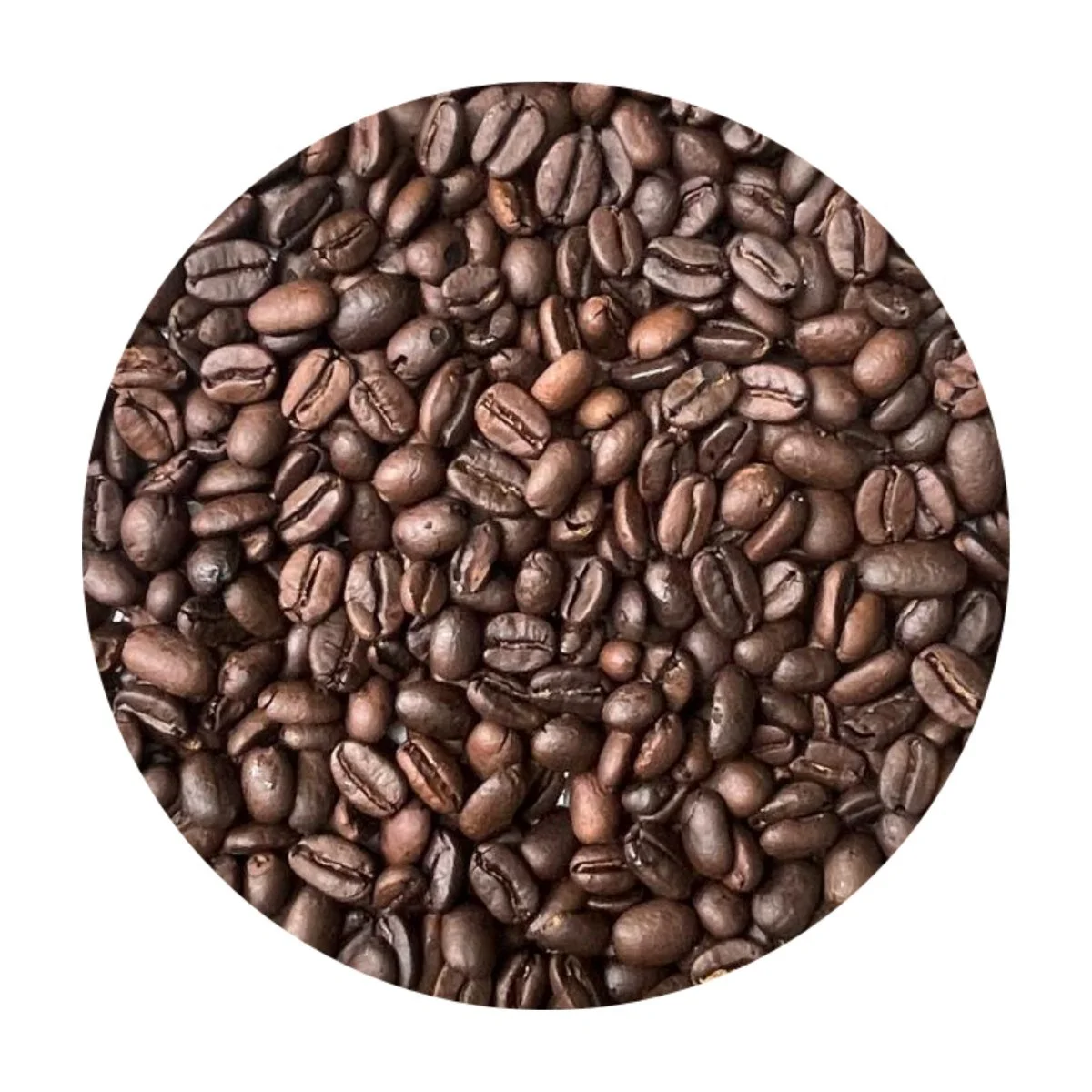 Image 4 of 4
Old Brown Java Coffee Profile & Tasting Notes
-
Old Brown Java traces back to the early days of coffee in Indonesia, when beans from Java spent months at sea on slow ships bound for Europe. The long, humid voyage naturally aged the coffee, softening its acidity and deepening its flavour. When faster ships ended that transformation, producers began ageing the beans on land, letting monsoon winds and time recreate the same mellow, earthy character. Today, Old Brown Java remains one of the few coffees still shaped by patience and the island’s climate
-
Old Brown Java is grown on the historic estates of East Java’s Ijen volcanic plateau, a region shaped by fertile soils, high altitudes and the steady rhythm of the monsoon seasons. After harvesting and processing, the beans are moved into open-sided ageing warehouses, where they rest for months in the island’s warm, humid air. Instead of being sealed away, the coffee is deliberately exposed to shifting moisture, slow drying, and the seasonal winds that sweep across the plateau. This controlled weathering recreates the transformation that once happened naturally during long Dutch sea voyages: the beans gradually turn a muted brown, their acidity softens, and their flavour deepens into something earthy, rounded and quietly powerful. The process survives because it can only happen here, in a climate where time, humidity and tradition work together to create a profile no modern technique can replicate.